Publications
AU Handbook
This handbook is published by the African Union Commission (AUC) in partnership with the New Zealand Government. It is intended as a ready reference...
Background
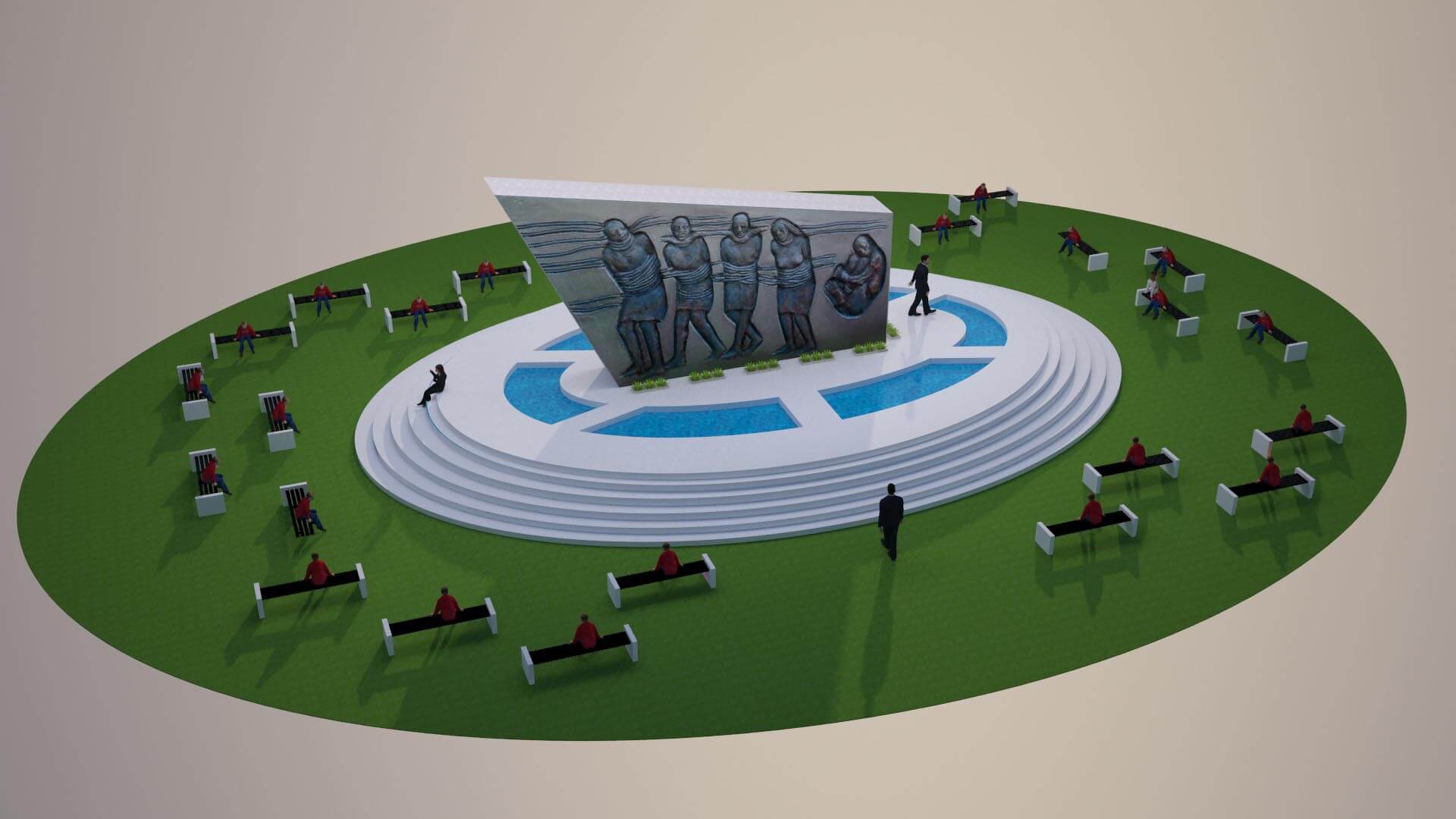
In July 2002, the Organisation of African Unity (OAU) transitioned into the African Union (AU), becoming a people-centered institution committed to promoting democracy and human rights across the African continent. As part of this commitment, the AU resolved to build its new headquarters on the site of the former Alem Bekagn prison, transforming the current AU human rights sites into a memorial to honor the victims of past gross human rights violations and atrocities in Africa, including the 1994 Genocide against the Tutsi in Rwanda, Colonialism across Africa, the transatlantic slave trade, Apartheid in South Africa, and the Red Terror in Ethiopia.
In 2010, the AU Assembly of Heads of State and Government endorsed the decision to establish a permanent memorial center in honor of the victims of major human rights atrocities in Africa. Two years later, in 2012, African leaders laid the foundation stone for the AU Human Rights Memorial (AUHRM) as a lasting tribute to these historical struggles and a commitment to ensuring that such atrocities and human rights violations never happen again.
Why the AUHRM Matters
More than a structure, the AUHRM serves as a powerful reminder of Africa’s past and a commitment to justice, peace, and human dignity. It is meant to fosters dialogue, raises awareness, and amplifies survivor voices to ensure history is remembered and not repeated.
Objectives
Commemoration – Honoring victims and survivors of atrocities.
Education – Teaching Africa’s history of struggle and resilience.
Engagement – Encouraging intergenerational dialogue and active citizenship.
Prevention – Deepening respect for human rights culture to combat future atrocities.
Mission
Rooted in the AU’s vision, the AUHRM upholds the duty to remember, educate, and prevent mass human rights violations and atrocities. Inspired by Agenda 2063, it envisions an Africa built on democratic values, respect for rule of law, justice, and human rights.
Key Activities
Through these efforts, the AUHRM transforms memory into action, ensuring Africa’s past guides its future.